Today’s Hours: 8:00am – 5:00pm
Explore Habitats and Encounter Our Majestic Animals.
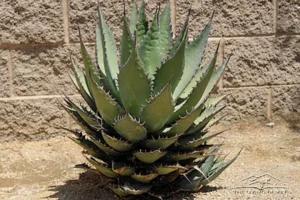
Species Name:Agave shawii subsp. shawii
Read MoreAgavaceae, Agave Family
Baja California and coastal southern California
Plains, slopes and coastal terraces
Succulent
Chase Administration (Agave)
The spines on new leaves often have an attractive yellow or reddish color
Species Name:Species Name
The common mulga (Acacia aneura) is the most abundant acacia of the hot arid interior of Australia. The name mulga comes from an aboriginal word meaning “long, narrow shield” and the…
Read MoreFamily
Conservation Status
Range
Habitat
Highlights
The common mulga (Acacia aneura) is the most abundant acacia of the hot arid interior of Australia. The name mulga comes from an aboriginal word meaning “long, narrow shield” and the strong wood was used to make weapons such as spears and boomerangs. Mulga is a small tree typically less than 20 feet tall with grey-green foliage and cylindrical sulphur yellow flowers favored by bees followed by flat brown seed pods high in protein.
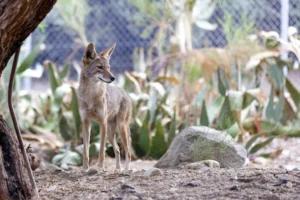
Species Name:Canis latrans
This highly adaptable opportunistic omnivore seems to prefer rodents and jackrabbits, but will eat reptiles, birds, arthropods (scorpions, crickets) and plant material such as juniper seeds, screw beans, fan palm fruit…
Read MoreCanidae, the dog family.
Least Concern, IUCN; common
North and Central America.
All terrestrial habitats.
Their scientific name means “Barking dog”.
This highly adaptable opportunistic omnivore seems to prefer rodents and jackrabbits, but will eat reptiles, birds, arthropods (scorpions, crickets) and plant material such as juniper seeds, screw beans, fan palm fruit and dates. A crepuscular and nocturnal hunter, they are valuable as rodent control. Their only predator is Man.
Coyotes are dog-like, sandy-colored, with erect ears. They roam extensively throughout their territory, hunting, resting and sleeping wherever they are comfortable, living in a den only when raising pups.
Coyotes usually mate for life and breeding takes place between January and March. The gestation period is 63 days and one litter per year of 1-12 pups (average 4 to 5), is born and raised in a den or rock crevice. Pups are born blind, but furred, will nurse for 5 to7 weeks and begin to leave den at 3 weeks, but it is 6 weeks before they really begin to run with their parents when they all abandon the den. If you see a group of 3-6 coyotes, it is most likely a mated pair and their young of the year, or perhaps a group of litter mates. Coyotes do not have large packs as some wolves do. Their potential lifespan in the wild is about 13 years and in captivity is 15-20 years. They do not make good pets.
Coyotes communicate using scent and body language as well as vocalization.
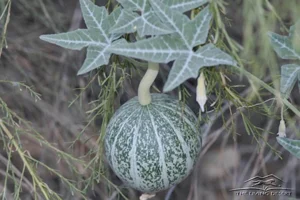
Species Name:Cucurbita palmata
Read MoreCucurbitaceae, Gourd Family
Southern California, southern Nevada, western Arizona, northern Baja California and Sonora, Mexico
Sandy places below 4,000 feet elevation; Creosote Bush Scrub, Coastal Sage Scrub, Valley Grassland
Annual or perennial herbaceous vine
Coyote Exhibit
The three inch wide flowers open before dawn and wilt by late morning.
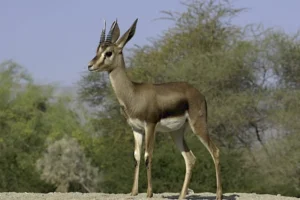
Species Name:Gazella cuvieri
Usually found in small herds, rarely exceeding seven individuals, it is the only surviving gazelle endemic to the area north of the Sahara Desert. Its coat is dark fawn in color…
Read MoreBovidae, The cow and goat family.
Vulnerable, IUCN. Their numbers are dropping due to over-hunting and habit degradation.
Northern Africa.
Semi-desert grassland.
The local Arabic name for them is “edmi gazelle”.
Usually found in small herds, rarely exceeding seven individuals, it is the only surviving gazelle endemic to the area north of the Sahara Desert. Its coat is dark fawn in color with distinctive dark brown lateral bands, and dense due to the cold desert climate of its mountainous habitats. Both males and females have curved ridged horns.
It is herbivorous, sometimes living in areas of sparse vegetation, but will seek out cultivated fields, mainly feeding in morning and late afternoon on grasses, herbage and bushes. It can utilize water found in plants as well as dew. Man is now the main predator, but cheetah, leopard, lion, serval, caracal, jackal and eagles preyed on it in times past.
There are two calving seasons per year, from April to May and July to August, with births occurring after a gestation of approximately 160 days. Usually only one calf is born but there is a 40% chance of twinning with each pregnancy. They can live up to 12 years.
Species Name:Agave deserti
It can take anywhere from 8 to 20 years for this plant to store enough energy to send out a tall asparagus-like flower stalk with clusters of yellow flowers.
Read MoreIt can take anywhere from 8 to 20 years for this plant to store enough energy to send out a tall asparagus-like flower stalk with clusters of yellow flowers.
Species Name:Baccharis sergiloides
Read MoreAsteraceae, Sunflower Family
Sonoran and Mojave Deserts Chaparral, southern half of California, northwestern Arizona, southern tip of Nevada, southwestern corner of Utah
Washes and Canyon bottoms; Pinyon-Juniper Woodland, Creosote Bush Scrub, Chaparral
Shrub; 6 feet tall and wide
Upper Colorado Garden
Also known as Waterweed, this is a water-indicating plant commonly found in seasonal streambeds.
Species Name:Ovis canadensis nelson
A bighorn sheep’s hooves are strong and split, which provide balance and grip as they forage for water-rich food, evade predators, or battle for dominance. Males, called rams, have large, curled…
Read MoreBovidae, the cow and goat family
The population in the Peninsular Mountain Ranges of southern California is federally endangered.
North America and Baja California, Mexico
Rugged, rocky slopes; elevations of 1,000 -3,000 feet above sea level.
Bighorn sheep are specially designed for the unforgiving rocky mountain terrain they call home, from cloven hooves and use of vegetation for hydration to large domineering horns.
A bighorn sheep’s hooves are strong and split, which provide balance and grip as they forage for water-rich food, evade predators, or battle for dominance.
Males, called rams, have large, curled horns that are made of keratin. Their horns are used in battle with other rams, but also serve as a status symbol within the herd.
Bighorn sheep are threatened by disease, habitat degradation, care collisions, and habitat fragmentation due to urban and commercial development. The Living Desert actively supports the national conservation of this species through the leadership of the Species Survival Plan and local conservation efforts through collaborative efforts with local programs.
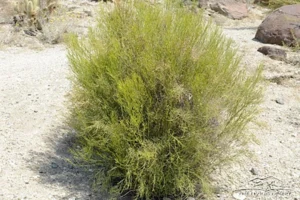
Species Name:Asclepias subulata
Read MoreAsclepiadaceae, Milkweed Family
Southeastern California, southern Nevada, western Arizona, and northern Baja California and Sonora, Mexico
Mainly desert washes, also rocky slopes and plains
Sub-shrub
MacDonald Butterfly Garden, Upper Colorado Garden
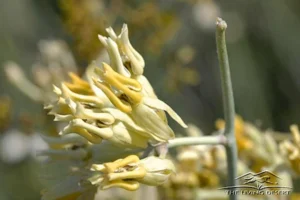
The oddly shaped pale yellow flowers provide generous amounts of nectar.